Acquiring Luna in Amersfoort: why substantial vacancy is the opportunity, not the risk
I have acquired Luna, a 2,175 sqm office building on the Calveen business park in Amersfoort â let to two tenants, with substantial vacancy. Here is why that vacancy is the opportunity, not the risk, and the repositioning plan for the asset.
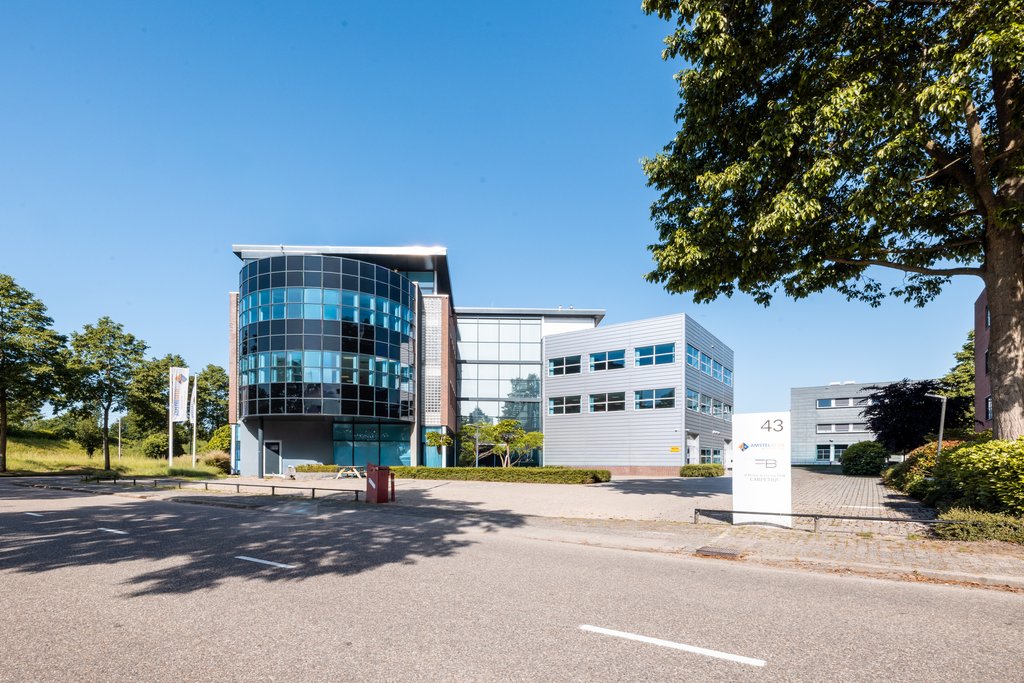
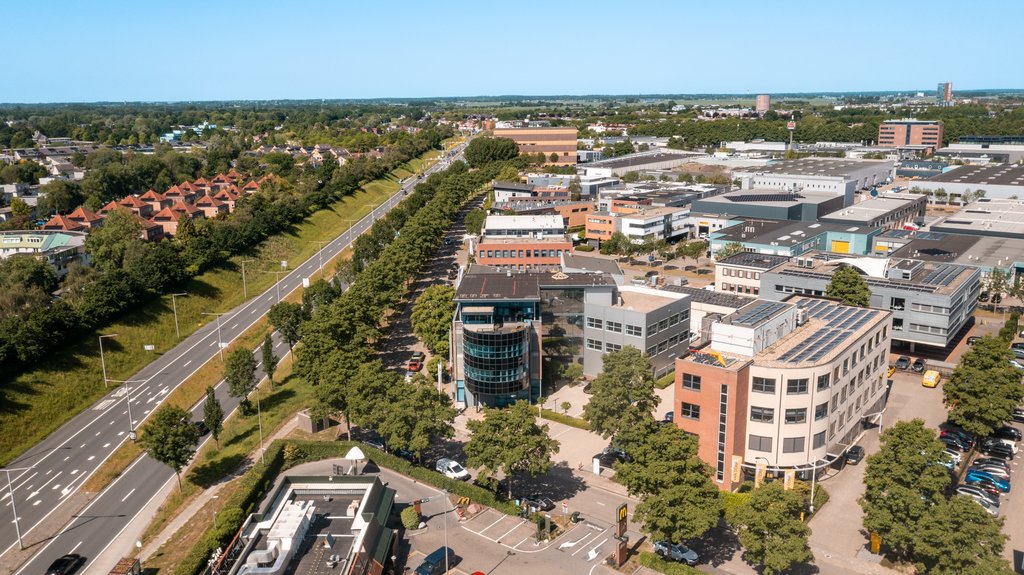
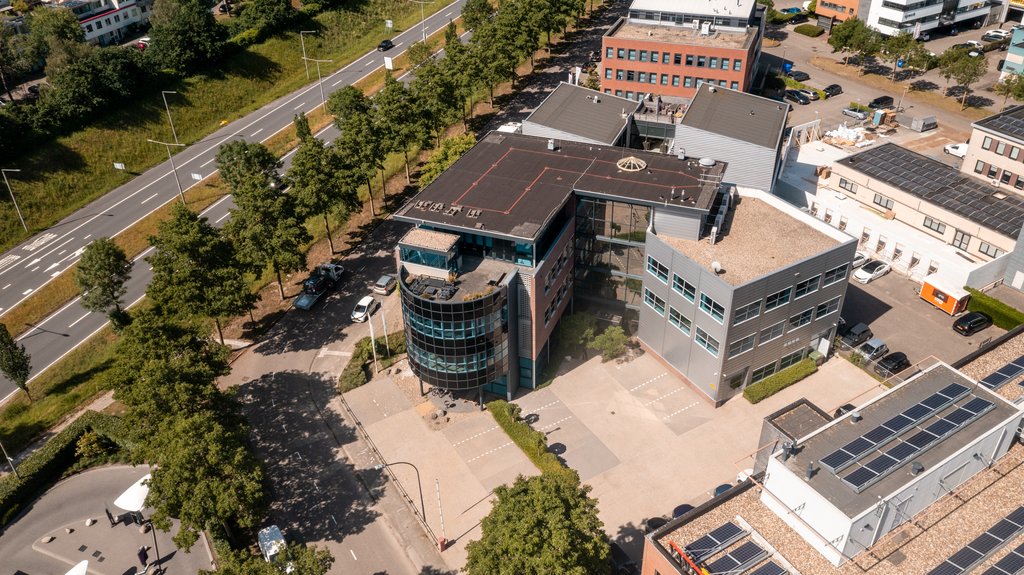
I have acquired Luna, the office building at Maanlander 43 on the Calveen business park, on the north side of Amersfoort. The asset comprises 2,175 square meters across multiple floors, with 35 on-site parking spaces and direct access to the A1 and A28. At the time of the transaction, the building was let to two tenants and carried substantial vacancy.
That vacancy is precisely why the deal was attractive.
Most buyers price substantial vacancy as risk. I underwrite it as the opportunity itself. A fully let building, priced accordingly, leaves no room to create value â the buyer is simply paying today for tomorrow's income and relying on the market to do the rest. A building with genuine vacancy, in a location with sound fundamentals, works the other way: the discount is already built into the purchase price, and every square meter re-let at the right rent, in the right condition, is value created rather than value assumed.
Why Calveen, why this asset
The Calveen business park sits on the north side of Amersfoort, with direct access to both the A1 and the A28 â the two motorways carrying the bulk of commuting and logistics traffic through the region. That is the fundamental I underwrite first, ahead of a single square meter of the building itself. A value-add office deal only works if the location can still attract tenants once the building has been fixed. Weak fundamentals cannot be repositioned away. A weak building can.
Luna is a multi-floor asset at a scale I know well. At 2,175 square meters, it is large enough to carry a proper repositioning budget across common areas, technical installations and tenant-ready suites, and small enough for me to run the program personally rather than delegate it through layers of asset management. That combination â sound location fundamentals, a scale I can execute on directly, and a rent roll with genuine headroom â is exactly the profile I underwrite for. The two in-place tenants provide a stabilized income floor while the vacant space is repositioned.
The repositioning plan: quality, speed, leasability
The strategy for Luna runs on three priorities: upgrading the common areas, delivering turn-key office solutions for tenants, and executing targeted sustainability measures. That sequence is deliberate â it mirrors the discipline I apply on every repositioning.
Common areas first. The entrance, the stairwells, the shared circulation â this is what every prospective tenant experiences before they see a single square meter of lettable space, and it is what the two in-place tenants experience daily. Getting this right achieves two things simultaneously: it protects the existing rent roll by giving current tenants a reason to renew rather than test the market, and it sets the tone for every viewing on the vacant space. I have written before about why owner-led viewings close deals â a prospective tenant walking through unfinished common areas draws their own conclusions about the state of the program. Sequencing common areas early ensures every subsequent viewing tells the right story.
Turn-key suites for tenants. This is where leasing velocity is built. A prospective tenant evaluating a 300 to 600 square meter floor in a building with real vacancy is not looking to imagine what the space could become â they want to walk into a finished, wired, ready-to-occupy suite. I have set out the economics of this in detail in targeted investments in office buildings: a single furnished showroom suite closes leases that a floor plan and a rent quote never will. On an asset this size, the plan is to fit out one or two suites to a turn-key standard early in the program and let them carry the leasing effort on the remaining vacant space.
Targeted sustainability measures. Not a full certification program from day one â targeted, meaning the interventions that improve the EPC label and tenant comfort most for the capital deployed, sequenced against the leasing plan rather than an arbitrary certification date. I have set out this sequencing in more detail in office energy upgrades: from EPC label C to A and in where the CapEx euro actually earns its return: envelope and installations ahead of showroom finishes, always. Luna will follow the same discipline â address what tenants experience directly first, and build toward the certification an eventual buyer will expect.
What comes next
The two in-place tenants remain while the vacant space is upgraded and re-let. Common areas and the first turn-key suite are the near-term priorities; the balance of the program follows the same sequencing applied on every deal â address what the tenant experiences first, build toward the certification a buyer will expect, and never let cosmetic work get ahead of the building actually functioning.
This is the acquisition profile for 2026: sound fundamentals, genuine vacancy, and a scale that allows for direct, personal execution. Where others see a leasing problem, this is the value-add case in full. Updates on Luna will follow as the repositioning progresses.